Structure before counting
No app required
Nutrition and everyday eating
Most people do not need a stricter diet. They need a repeatable one. This page covers everyday nutrition basics: how to build meals without weighing everything, how much fibre and water actually matter, and why a routine you keep beats a perfect plan you quit.
It is general information for adults, not a prescription.
No app required
Not all at dinner
Worth more than they sound
Built to survive real plans
A useful default portion shape you can apply to lunch at a desk, dinner at home, or a takeaway you did not plan.
Start with structure rather than numbers. A useful default: a palm-sized portion of protein, a fist of vegetables or fruit, a cupped hand of carbohydrate, and a thumb of fa. This works almost anywhere, and it adapts to most cuisines without a calculator.
Adjust portions by hunger and activity rather than aiming for an exact figure. If you have trained hard, eaten lightly all day, or skipped a meal, the same shape can simply be a larger version of itself.
Many people eat almost no protein before evening. Spreading it across two or three meals tends to make hunger steadier and protects muscle, which matters more as you get older. If you eat plant-based, combine sources across the day rather than relying on one.
Eggs, Greek yoghurt or cottage cheese, plus something fresh. This is the meal most people leave empty and then chase all day.
Easiest place to start
Beans, lentils, tuna, chicken or tofu with a grain and vegetables. A lunch with protein is the reason the afternoon does not collapse.
Most people under-do this
Fish, meat, legumes or a mix. This is usually where protein already happens — so it is not where the change needs to land.
Often already covered
Useful as a snack. It is a snack, not a meal's worth, and it will not carry the day on its own.
Good, but small
Cheese counts too, and so does milk in coffee if you drink several. The point is not perfection at each sitting — it is that the day as a whole holds enough.
Fibre and water do most of the quiet work in digestion and appetite. Increase fibre gradually and drink more as you do, or you will feel bloated and blame the vegetables.

Vegetables, fruit, whole grains, beans and nuts across the week — not one heroic salad on Sunday. Tinned beans and frozen vegetables count exactly the same as fresh ones.
A sudden jump from very little fibre to a lot is the usual reason people give up on beans. Add a portion or two each week and give your digestion time to keep up with you.
Thirst plus pale urine is a reasonable guide for most healthy adults. Hot Maltese summers and training days raise the need, so treat any fixed number as a starting point, not a rule.
A lunch that works usually has three parts: something with protein, something fresh, and something that keeps you full past 3pm. Skipping lunch and overeating at night is a pattern worth noticing, not a moral failure.
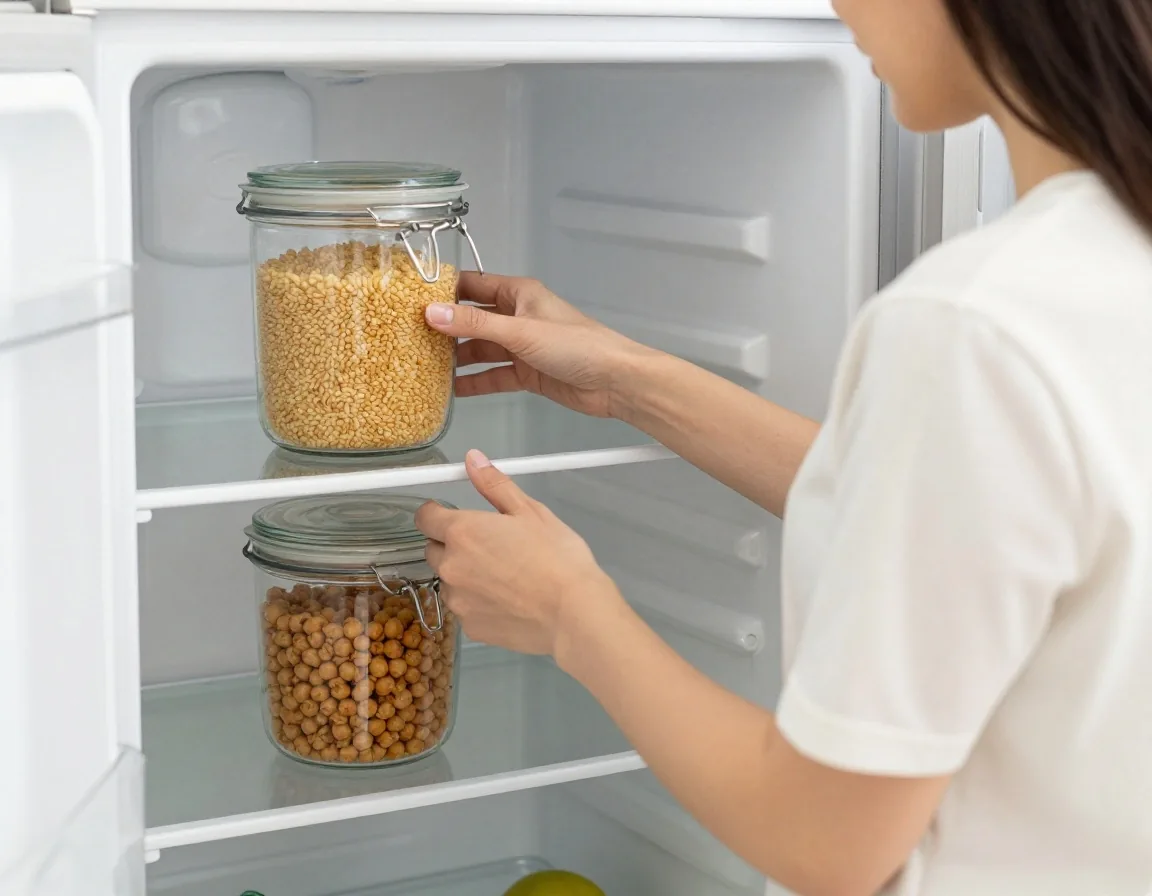
One grain and one protein, kept in the fridge. Weekday meals then take minutes instead of decisions, which is usually the part that fails.
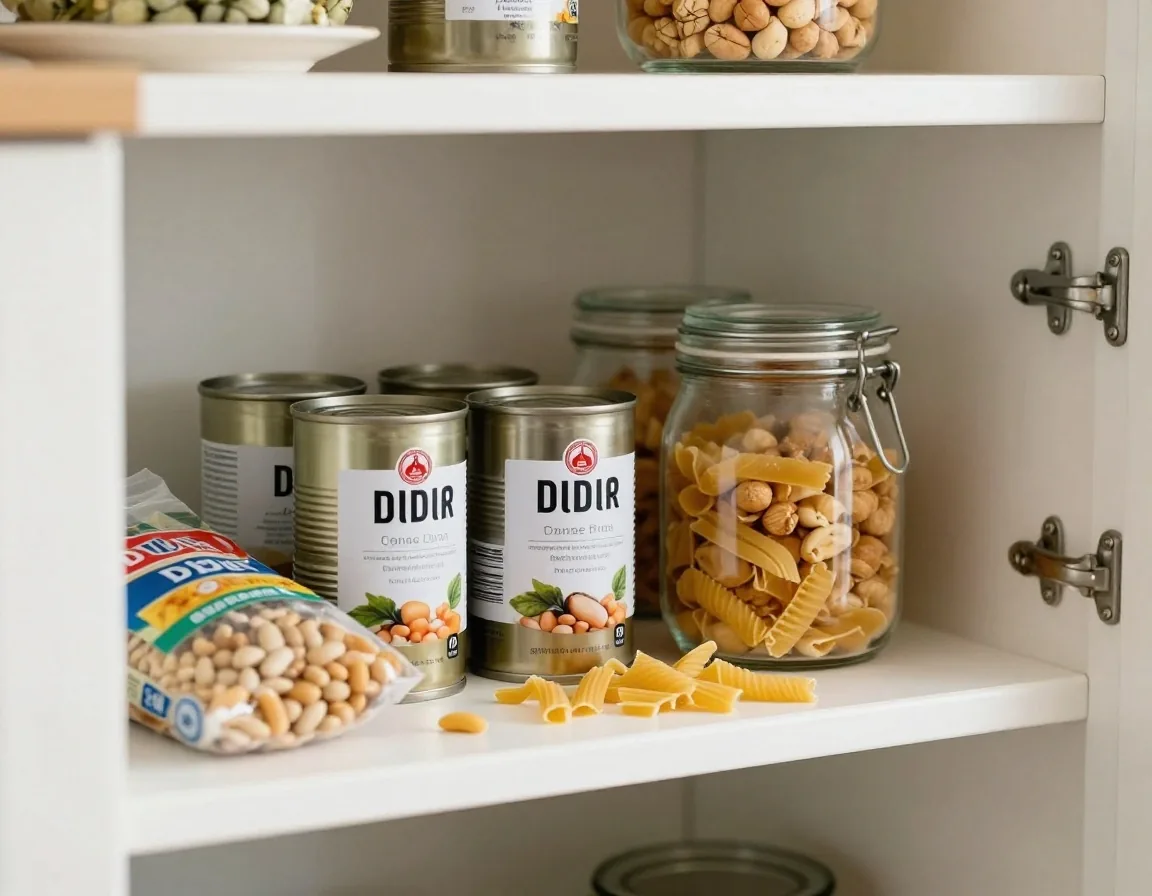
Tinned fish, beans and frozen vegetables at home mean a decent meal still exists on the days the plan collapses. That is the whole purpose of the shelf.
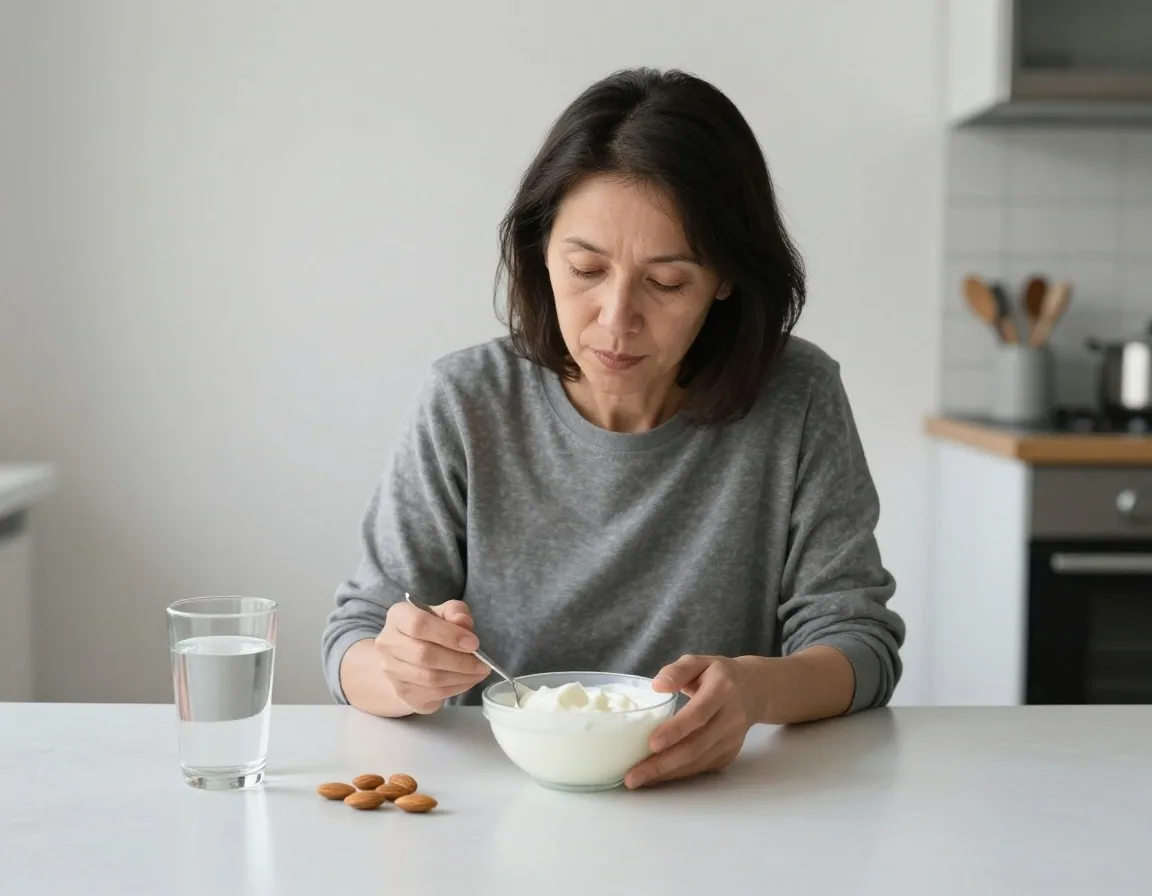
A planned snack stops you arriving at dinner starving. Yoghurt, fruit, nuts or a slice of bread with cheese all do the job — the question is what and when, not whether.
That 3pm slump is often a sleep issue wearing a nutrition costume.
Caffeine has a long half-life, so a late-afternoon coffee can still be active at bedtime. Many adults do better with caffeine before noon and a walk or a glass of water in the afternoon.
If you rely on energy drinks to get through the day, that is worth a look at sleep first. The sleep and stress guidance covers this in more detail.
Improve sleep and stress balanceFront-of-pack claims are marketing, not nutrition.
"Low fa" often means added sugar. "Natural" means very little in law. The ingredient list and the per-100g figures tell you more than the slogan printed across the front of the pack.
You do not need to read every label forever. Understanding them once is enough to choose quickly between two similar products — and the useful tiebreaker is usually simple: buy the one you will actually eat, not the one with the better wording.
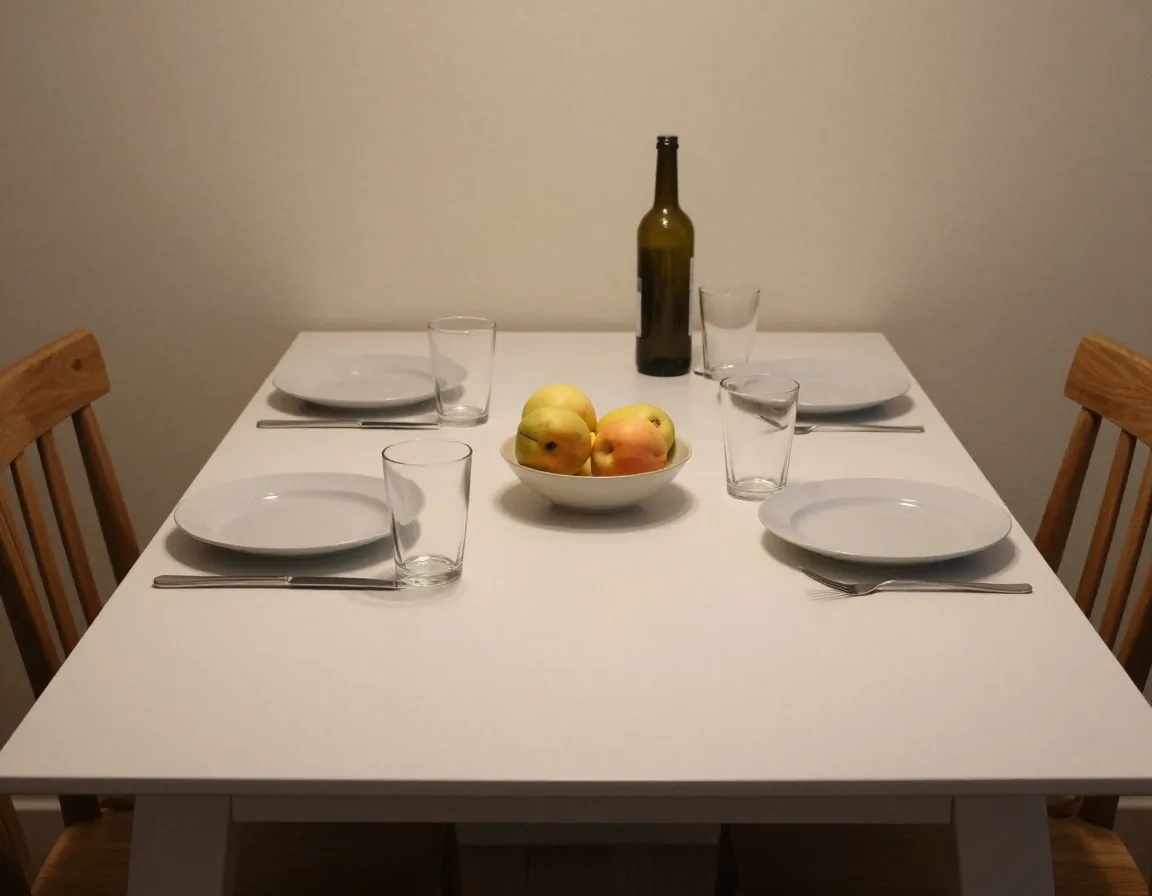
No food needs to be banned for a balanced pattern to work. The issue is frequency and quantity, not a single slice of cake.
Alcohol is worth counting honestly because it affects sleep and appetite as well as calories. If your eating swings between strict weeks and chaotic weekends, the fix is usually a boring weekday routine rather than more willpower. Consistency at 80% beats perfection you cannot maintain, and it is the version that survives a holiday, a deadline and a birthday in the same month.
One practical trick: decide the weekday shape in advance — what breakfast, lunch and dinner roughly look like — and leave the weekend free. You stop negotiating with yourself every evening.
General nutrition guidance does not account for medical situations. That is not a disclaimer to skip; it is the honest boundary of what a general guide can tell you.
Unexplained weight change, in either direction.
Persistent digestive problems that do not settle after a few weeks.
A diagnosed condition such as diabetes or kidney disease.
Pregnancy, or medication that interacts with food.
A dietitian or your doctor can give individual advice for any of these. If you are unsure whether your situation counts, it is a reasonable question to ask at your next routine appointment.
Short answers to the questions that come up most often on this page.
Questions readers askNot necessarily. Portion structure — protein, vegetables, carbohydrate, fa — works for many people without tracking. Some find counting useful short-term. It is a tool, not a rule.
No. A planned snack can stop you arriving at dinner starving. The question is what and when, not whether.
Needs vary with body size, activity, weather and diet. Thirst and pale urine are practical guides for most healthy adults. Malta's summer heat increases requirements.
Not automatically, and not everyone is hungry in the morning. If you skip it and then eat very little until evening, though, moving some protein earlier in the day is usually the more useful change.
Eating sits next to movement and sleep. Pick one thread and take it a week at a time rather than changing everything at once.
Holistic Wellness Guide publishes general lifestyle information for adults in Malta. It is not medical advice and does not replace a consultation with your doctor or a registered dietitian. Questions about a specific page can be sent to the editorial team, Monday to Friday, 9:00 AM – 6:00 PM.